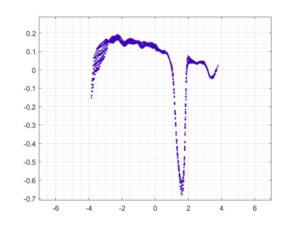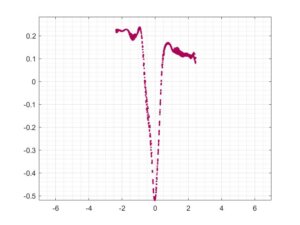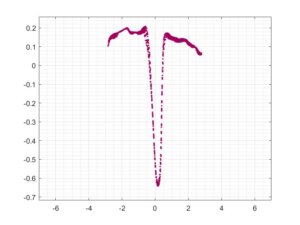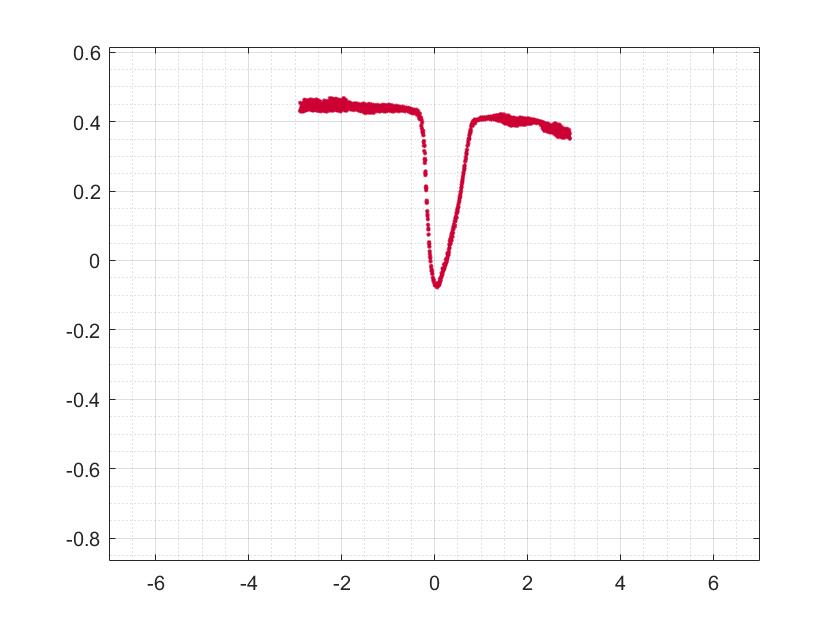

EPO2.6_F3
EPO2.6
ID3
LocationNorway
Approximate number of models23
Approximate size132 GB
Experimentally produced objects for the purpose of the TEMPA 3D project. Experiments were held in January and November 2024, and included engraving of soapstone from Rennesøy and Målslev and sandstone from Kamyana Mohyla. Experimentally produced objects were specifically designed to look at the technological traces of the surface modification processes via image-based 3D modeling.
Dataset includes 23 models of the experimentally produced objects. Among other this includes flint and quartz marks on soapstone, sandstone, bone, and antler as well as experimental replicas of Kamyana Mohyla churinga and soapstone line sinkers. For most engravings the modification time was recorded along with the production tool. The accuracy of the models in the dataset are around 0.1 mm, the resolution — around 0.03 mm.
ID
EPO2.6
A flat piece of the Rennesøy soapstone. Grinded on a sandstone slab. The stone was grinded and polished to make the surface as smooth and flat as possible. Engravings (sawed) were made to imitate "flint-like" negatives with the unknown material to cross-check experimental data. The microblade proved to be a very good material. It got blant quite soon, but due to the teeth-like blunting became even more efficient afterward.
Information
Artifact material
Soapstone
Artifact is experimentally produced
Yes
Tool material [known]
Quartzite
Tool type [known]
Microblade
Surface modification strategy description
Sawing
Number of slices
35
Aperture
85°
Depth
0.463452978 mm
FWMH
0.6453564812 mm
Extremum points, [MP]
1.285714286
Frequency of MP change per mm
0.6857142857
Depth / FWMH ratio
0.7181348472
Comments on the slices analysis
Experiment to make engravings that looks like flint ones, but with other materials. Flat piece of soapstone from Rennesøy grinded on sandstone slab. One side is flattened. After grinding the surface was still uneven, to the small stone was used to polish it further. Wngravings made with bladeletof fine quartzite or mylonite. The fine quartzite was very efficient. The side that was used for sawing soon got blunt, which made it even more efficient due to the "teeth-like" blunting. Same side used consistently
Link to the data
N/A